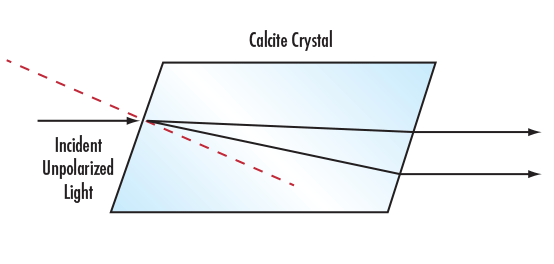
Waveplates (retarders) are different when used in polarized light than unpolarized light. Consider terminology, fabrication, or applications at Edmund Optics.
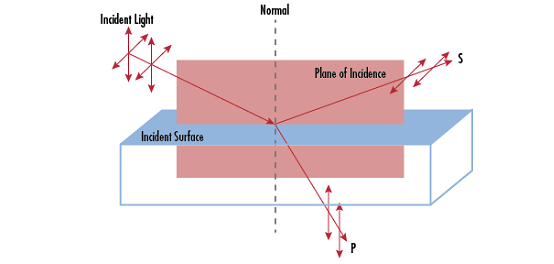
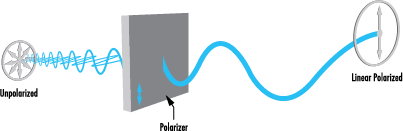
Laser Polarization: The Importance of Polarization in Laser Applications
Understanding the polarization of laser light is critical for many applications, as polarization impacts reflectance, focusing the beam, and other key behaviors.
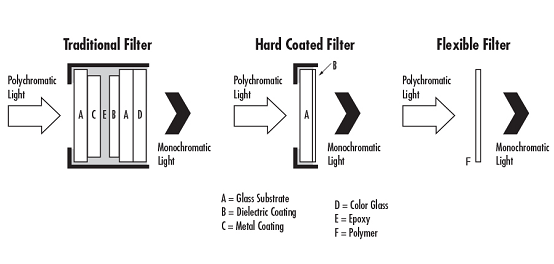
While working with machine vision, there are different types of filters that can be used to alter the image. Find out about the different types at Edmund Optics.
Want to learn more about metallic mirror coatings? Find information about standard and custom metallic mirror coatings that are available at Edmund Optics.
Optical components that create two beams by splitting incident light are beamsplitters. Read more about the different types of beamsplitters at Edmund Optics.
Are you new to imaging or looking for a refresh on camera types? Learn about the advantages to camera types, digital interfaces, and more at Edmund Optics.
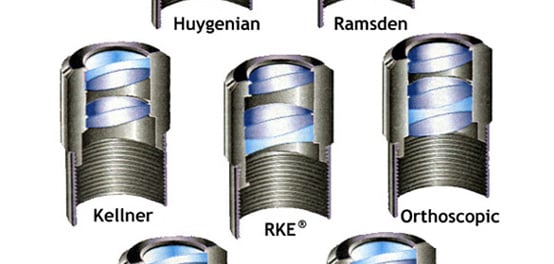
Not sure how to choose the right eyepiece for your application? Follow this eyepiece selection guide and compare different eyepiece types at Edmund Optics.
How are ultra-thin filters different from standard optical filters? Discover the unique features and capabilties of ultra-thin filters at Edmund Optics.
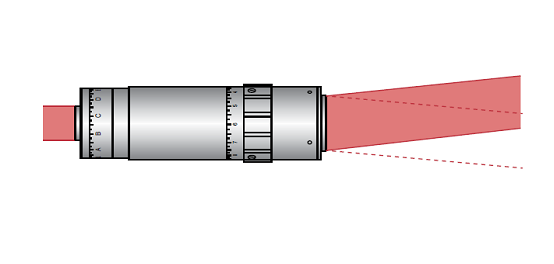
Rotating vs. Sliding Beam Expander Divergence Adjustment
Sliding focusing mechanisms for laser beam expanders cause less beam wander than rotating focusing mechanisms, but they use more complex mechanics and are typically more expensive.
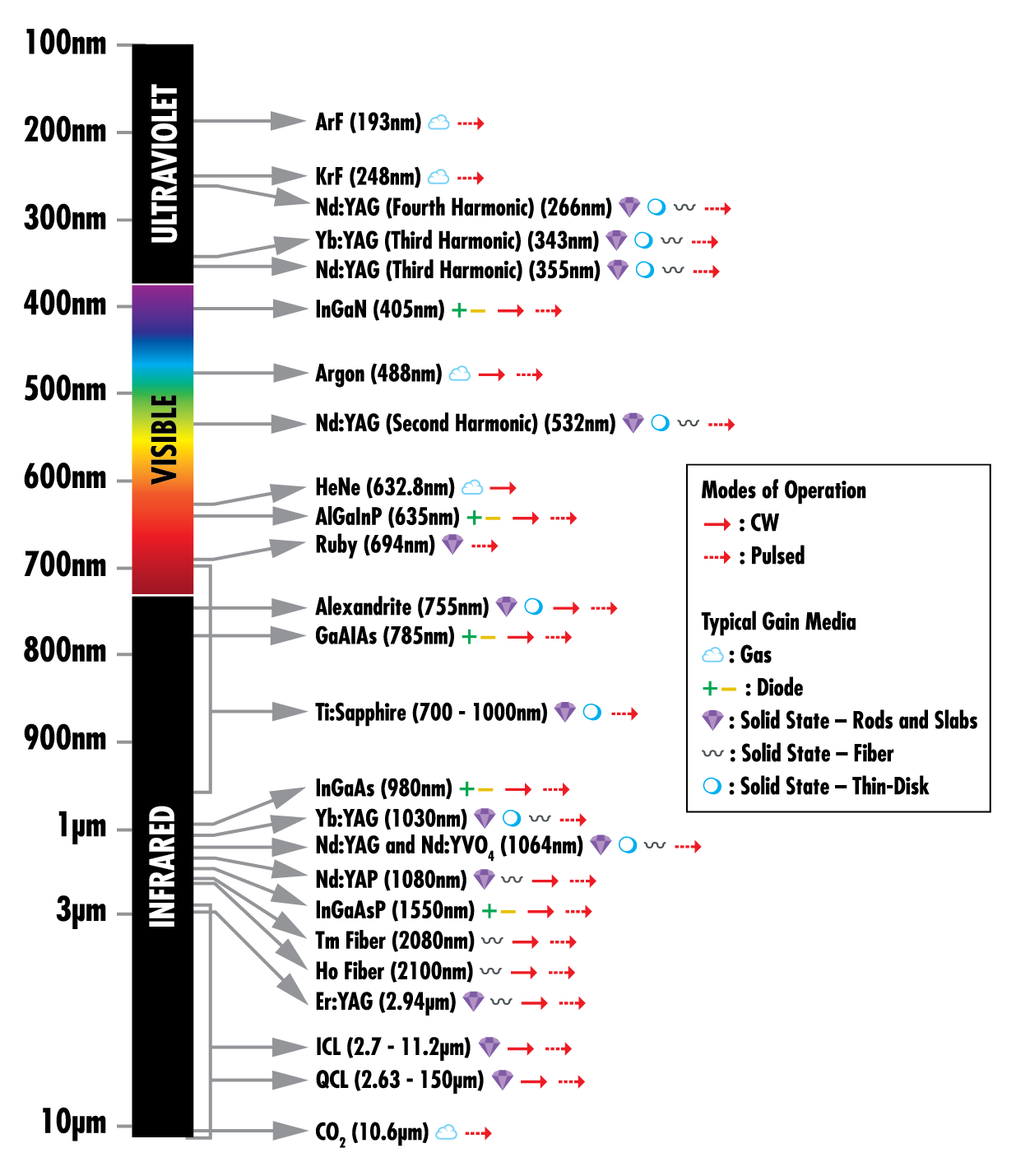
Understanding the most common laser sources, modes of operation, and gain media provides the context for selecting the proper laser for your specific application.
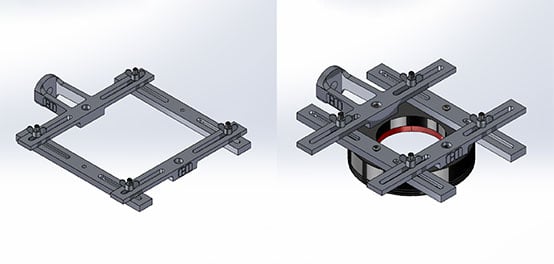
Illumination Mounts for Machine Vision Applications
Explore a wide selection of machine vision lighting at Edmund Optics from top brands and download free 3D printed mounts for various lighting geometries.
This comparison of the performance of aspheric, achromatic, and spherical PCX lenses in different situations reveals the ideal use cases for each type of lens.
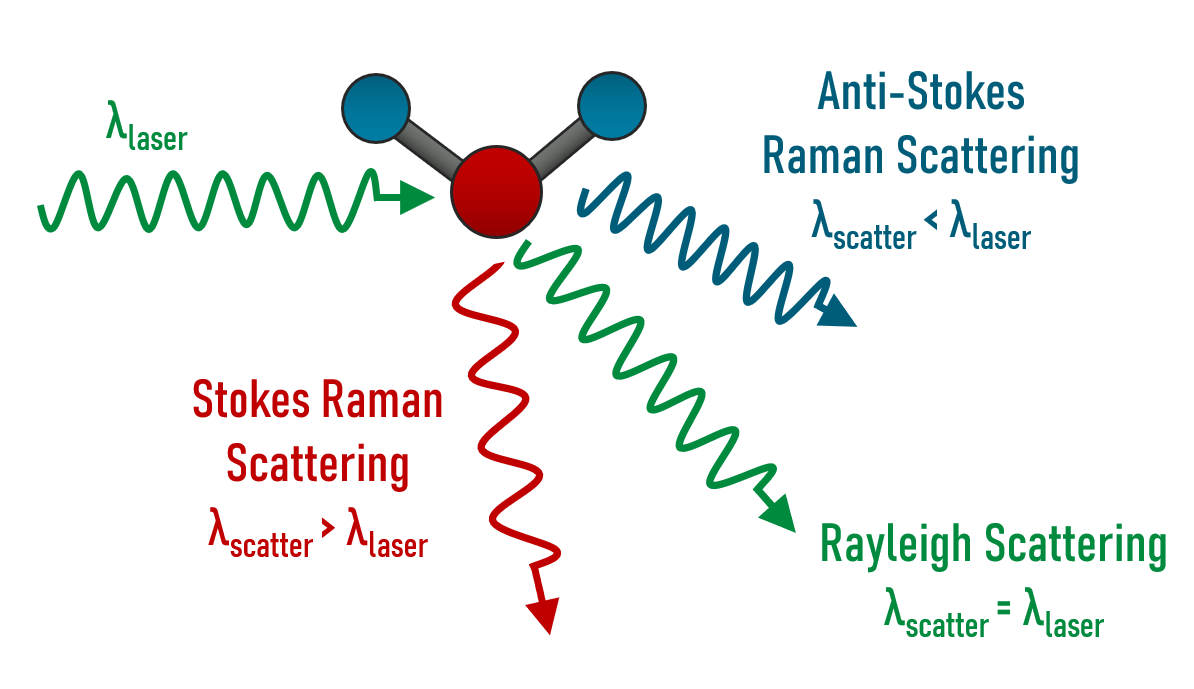
Basic Principles of Raman Scattering and Spectroscopy
Raman spectroscopy is a technique used to identify the chemical composition of samples based on how light scatters off of them. Learn more & view related optics
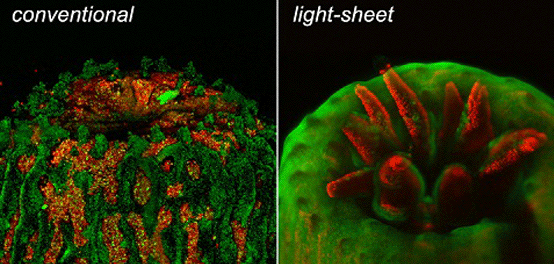
Light sheet fluorescence microscopy uses a 2D laser sheet to illuminate a thin slice of the sample and excite fluorescence, reducing phototoxicity and damage.
Please select your shipping country to view the most accurate inventory information, and to determine the correct Edmund Optics sales office for your order.









or view regional numbers
QUOTE TOOL
enter stock numbers to begin
Copyright 2023, Edmund Optics India Private Limited, #267, Greystone Building, Second Floor, 6th Cross Rd, Binnamangala, Stage 1, Indiranagar, Bengaluru, Karnataka, India 560038
California Consumer Privacy Acts (CCPA): Do Not Sell or Share My Personal Information
California Transparency in Supply Chains Act
The FUTURE Depends On Optics®