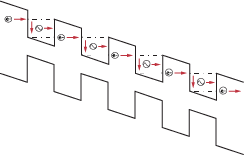
Quantum cascade lasers (QCLs) are IR lasers that utilize tens or hundreds of quantum wells to decouple the emission wavelength from the bandgap energy.
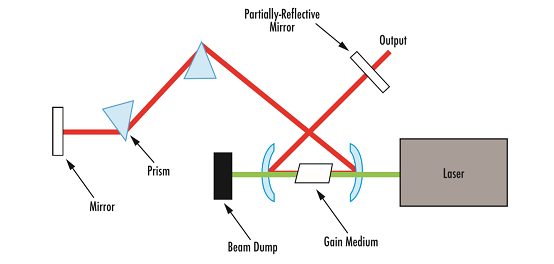
Ultrafast Lasers – The Basic Principles of Ultrafast Coherence
Advances in laser technology have made it possible to produce pulses ranging from a few femtoseconds to tens of attoseconds. Learn more at Edmund Optics.
Understanding Infinity Corrected Objective Resolving Power and Magnification
Microscopes are used in a variety of fields and applications. To understand how resolving power, magnification, and other aspects work, read more at Edmund Optics.
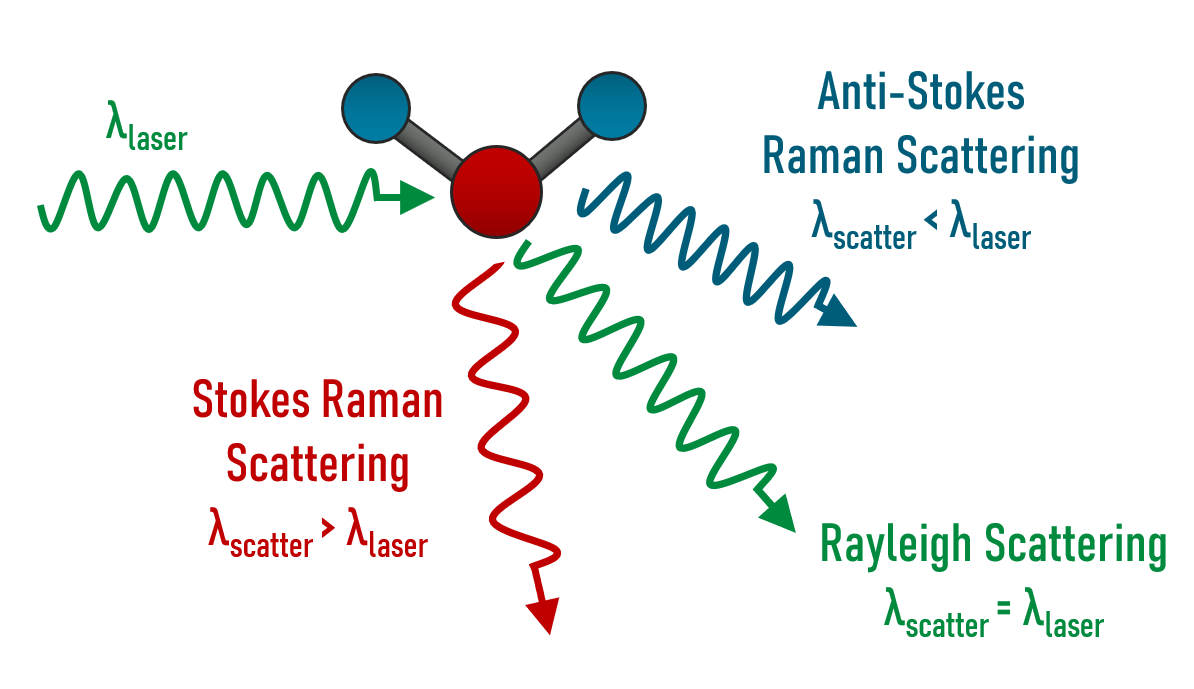
Basic Principles of Raman Scattering and Spectroscopy
Raman spectroscopy is a technique used to identify the chemical composition of samples based on how light scatters off of them. Learn more & view related optics
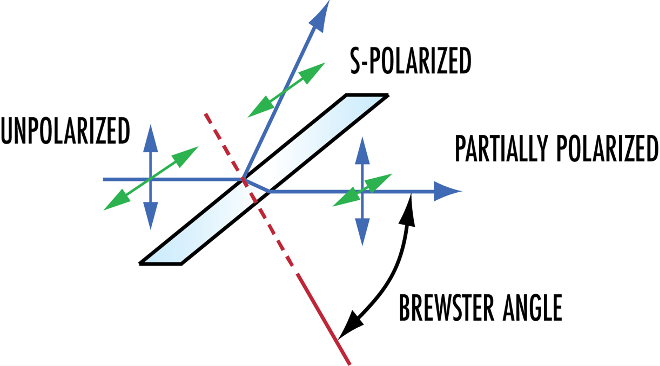
Laser Polarization: The Importance of Polarization in Laser Applications
Understanding the polarization of laser light is critical for many applications, as polarization impacts reflectance, focusing the beam, and other key behaviors.
Assembling Compact Machine Vision Microscopy Systems with 120i Plan APO Infinity Corrected Objectives
Reduce the size and weight of your high magnification machine vision system with infinity corrected TECHSPEC® 120i Plan APO Infinity Corrected Objectives.
Liquid Lens Features, Applications, and Technology
Liquid lenses have many features, are small in size, and adjust focus quickly to adapt to objects located at various working distances. Learn more at Edmund Optics.
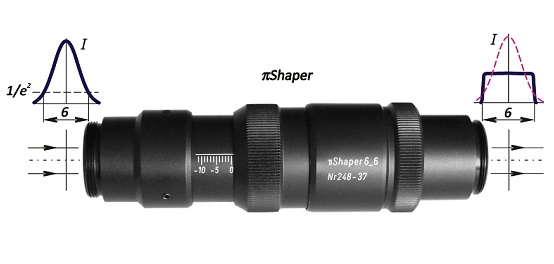
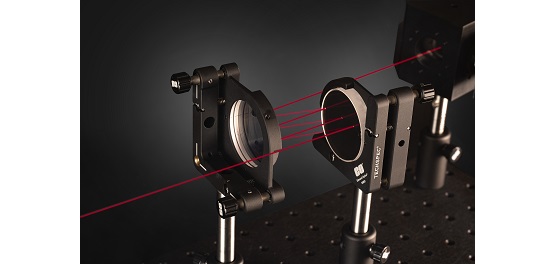
Converting a Gaussian laser beam profile into a flat top beam profile can have numerous benefits including minimized wasted energy and increased feature accuracy.
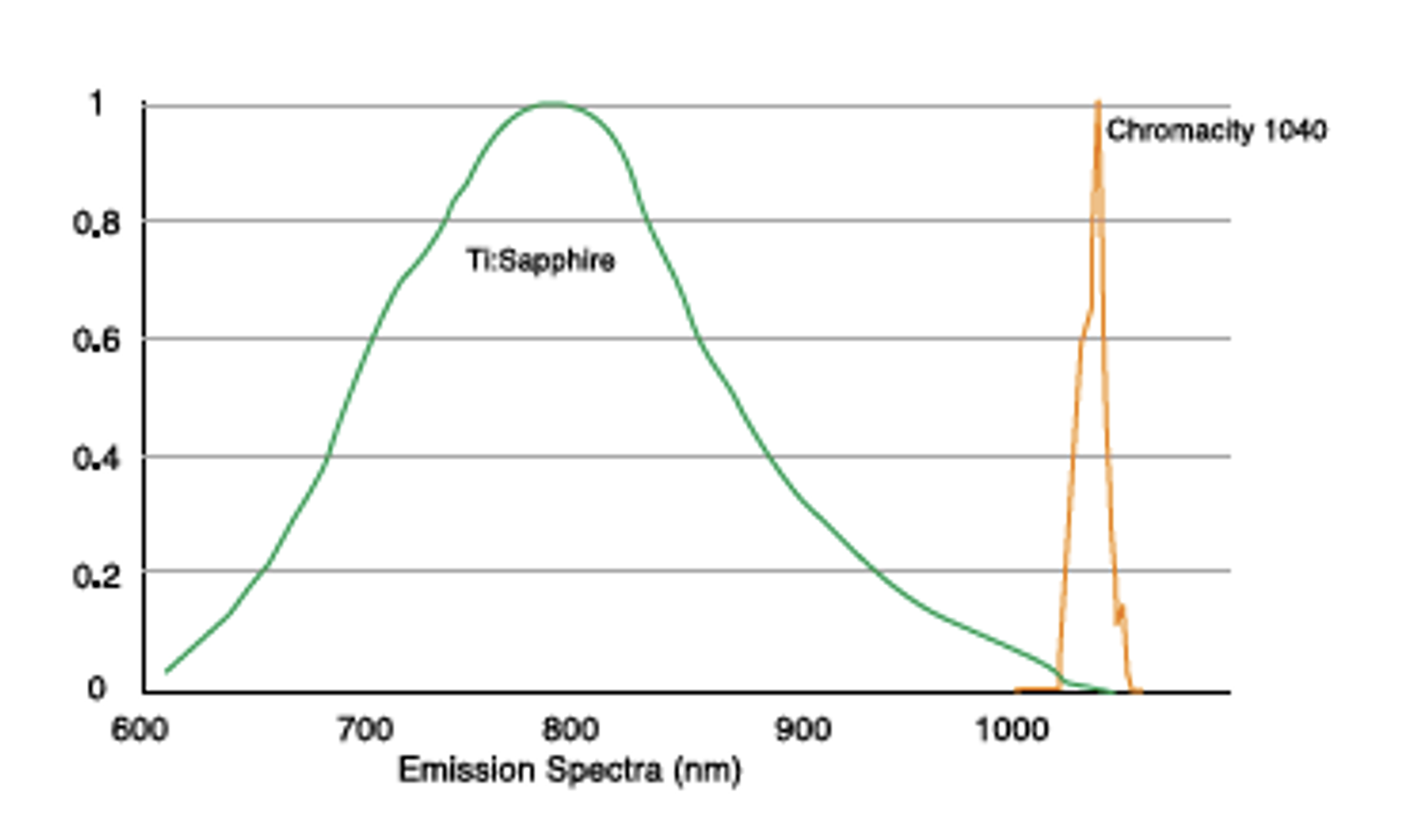
This application note compares the Chromacity 1040 and Ti:Sapphire two-photon lasers for enhanced fluorescence-based functional measurements at depth in the intact heart.
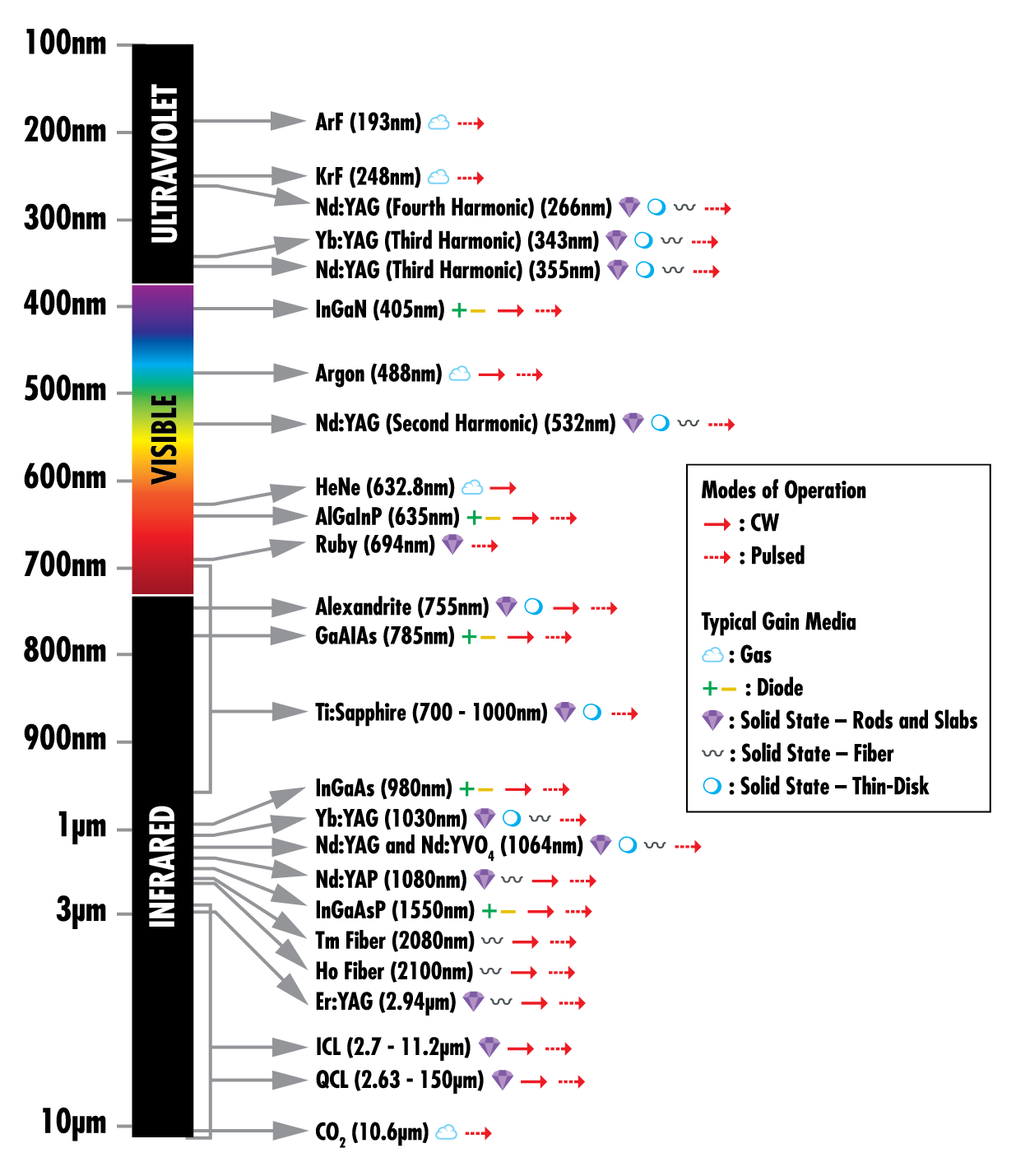
Understanding the most common laser sources, modes of operation, and gain media provides the context for selecting the proper laser for your specific application.
In imaging, light rays are mapped from an object onto an imaging sensor by an imaging lens, to reproduce the characteristics and likeness of the object for the purposes of inspection, sorting, or analysis.
Michelson Interferometer Lab Setup: Assembly and Alignment Guide
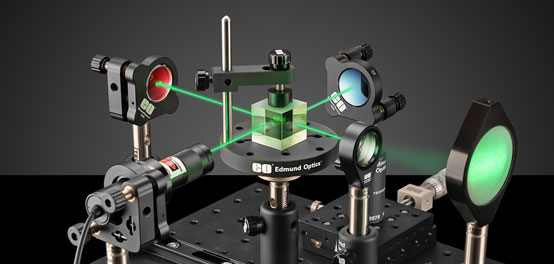
Learn how to assemble and align a Michelson Interferometer using standard lab components from Edmund Optics. This step-by-step guide covers required parts, setup instructions, and alignment tips for producing interference fringes to measure distance, wavelength, or refractive index changes in an accessible lab environment.
Confocal microscopy provides high resolution, elimination of out-of-focus glare due to spatial filtering, and reduction of light-induced damage to the sample.
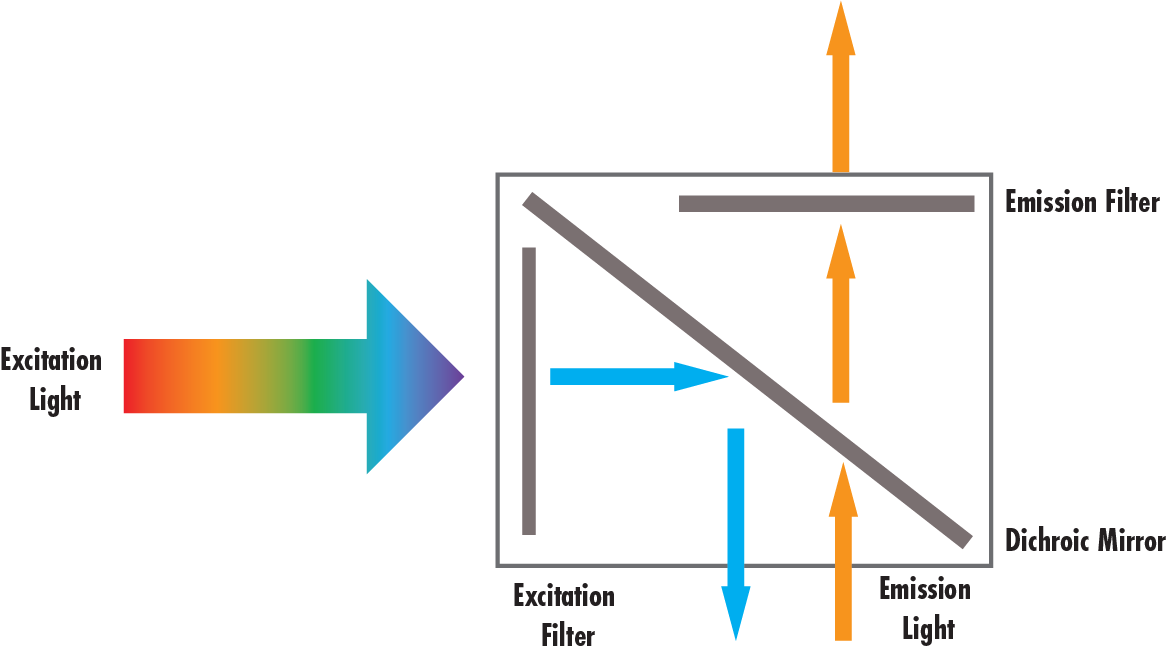
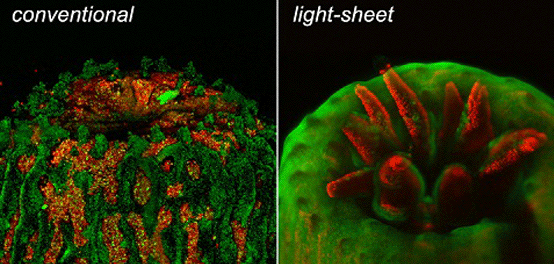
Light sheet fluorescence microscopy uses a 2D laser sheet to illuminate a thin slice of the sample and excite fluorescence, reducing phototoxicity and damage.
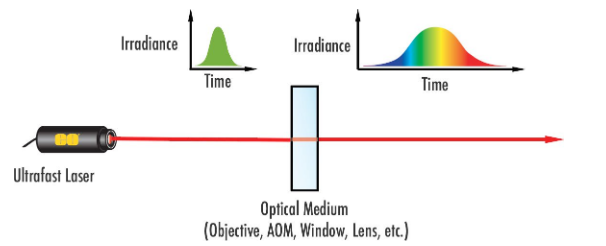
The short pulse durations of ultrafast lasers lead to broad wavelength bandwidths, making ultrafast systems especially susceptible to dispersion and pulse broadening.
Not all optical components are tested for laser-induced damage threshold (LIDT) and testing methods differ, resulting in different types of LIDT specifications.
Power density, energy density, fluence, and irradiance are often incorrectly used in laser optics applications. Learn the correct definitions and usage.
Learn the key parameters that must be considered to ensure you laser application is successful. Common terminology will be established for these parameters.
Please select your shipping country to view the most accurate inventory information, and to determine the correct Edmund Optics sales office for your order.







or view regional numbers
QUOTE TOOL
enter stock numbers to begin
Copyright 2023, Edmund Optics India Private Limited, #267, Greystone Building, Second Floor, 6th Cross Rd, Binnamangala, Stage 1, Indiranagar, Bengaluru, Karnataka, India 560038
California Consumer Privacy Acts (CCPA): Do Not Sell or Share My Personal Information
California Transparency in Supply Chains Act
The FUTURE Depends On Optics®