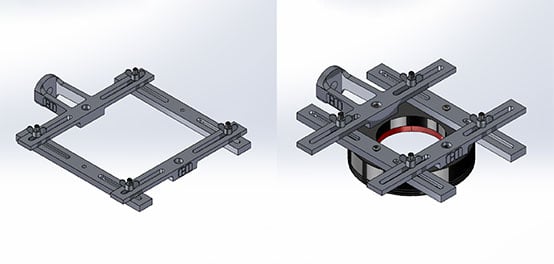
Illumination Mounts for Machine Vision Applications
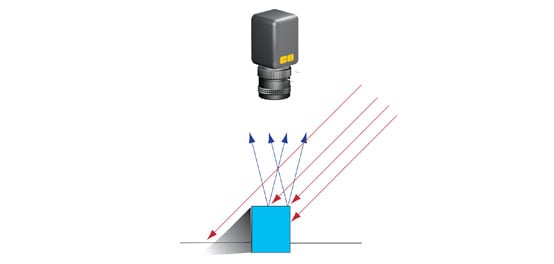
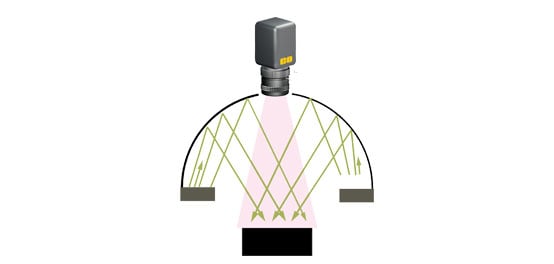
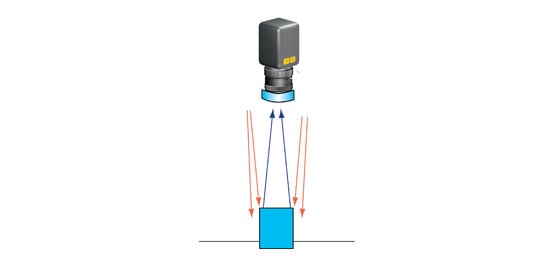
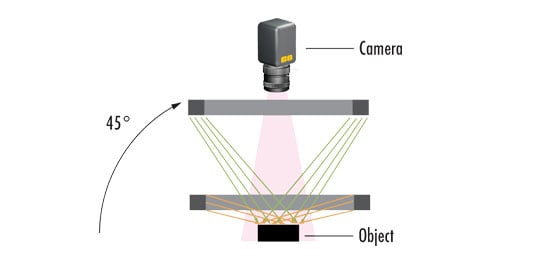
Explore a wide selection of machine vision lighting at Edmund Optics from top brands and download free 3D printed mounts for various lighting geometries.
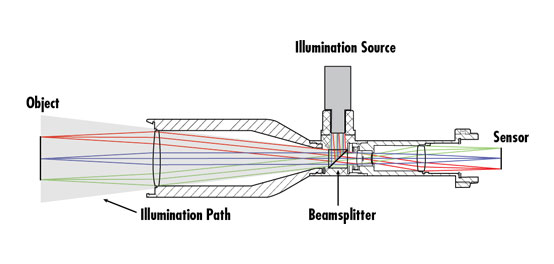
Not sure which type of illumination you should use for your system? Learn more about the pros and cons of different illumination types at Edmund Optics.
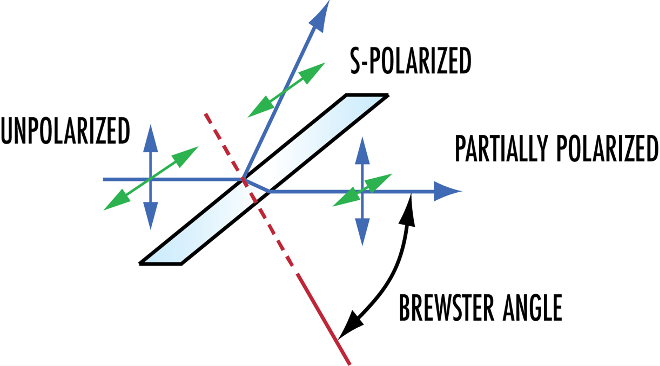
Waveplates (retarders) are different when used in polarized light than unpolarized light. Consider terminology, fabrication, or applications at Edmund Optics.
Laser Polarization: The Importance of Polarization in Laser Applications
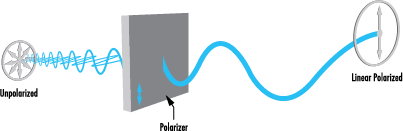
Understanding the polarization of laser light is critical for many applications, as polarization impacts reflectance, focusing the beam, and other key behaviors.
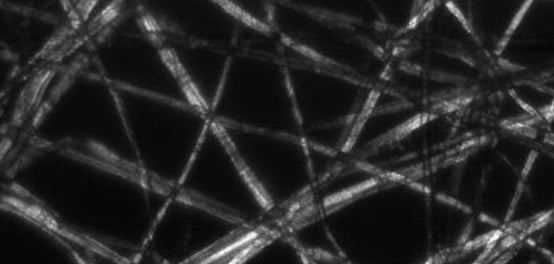
Differential interference contrast (DIC) is one of the polarization techniques that can be used in optical microscopy. Learn about this technique at Edmund Optics.
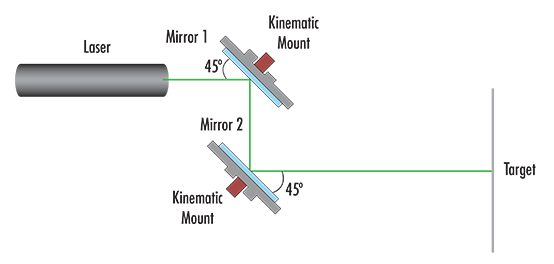
A Kinematic mount is classified by all degrees of freedom being fully constrained. Need a mount? Browse through the different variations at Edmund Optics.
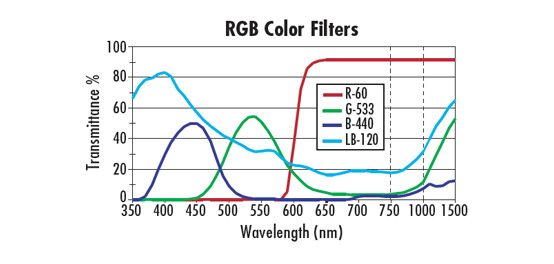
While working with machine vision, there are different types of filters that can be used to alter the image. Find out about the different types at Edmund Optics.
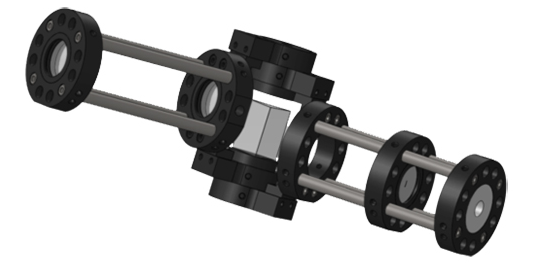
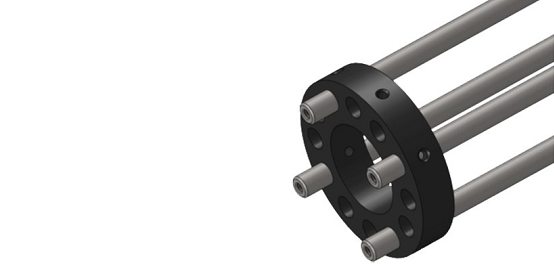
Not sure how you can enhance an opical cage system? Check out examples of different design examples applicable for small and large systems at Edmund Optics.
Getting Started Using the Cage System Components Kit
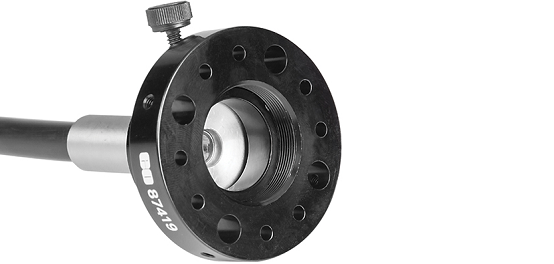
The TECHSPEC cage system components kit allows you to create a simple or base of a system. Find out more about the contents of the kit at Edmund Optics.
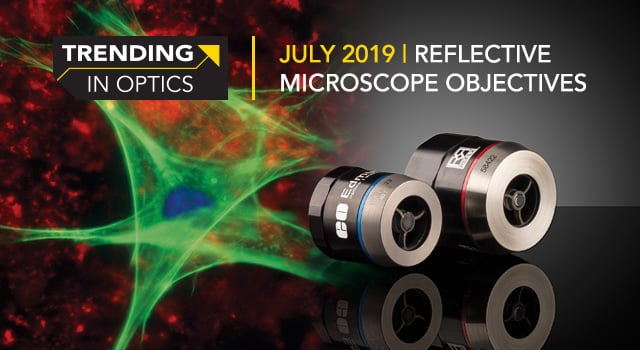
Reflective objectives use mirrors to focus light or form an image. Learn more about the different types and benefits of reflective objectives at Edmund Optics.
Learn about the use cases for a backlight, its advantages in industrial inspection and metrology, and the key considerations for integration into vision systems.
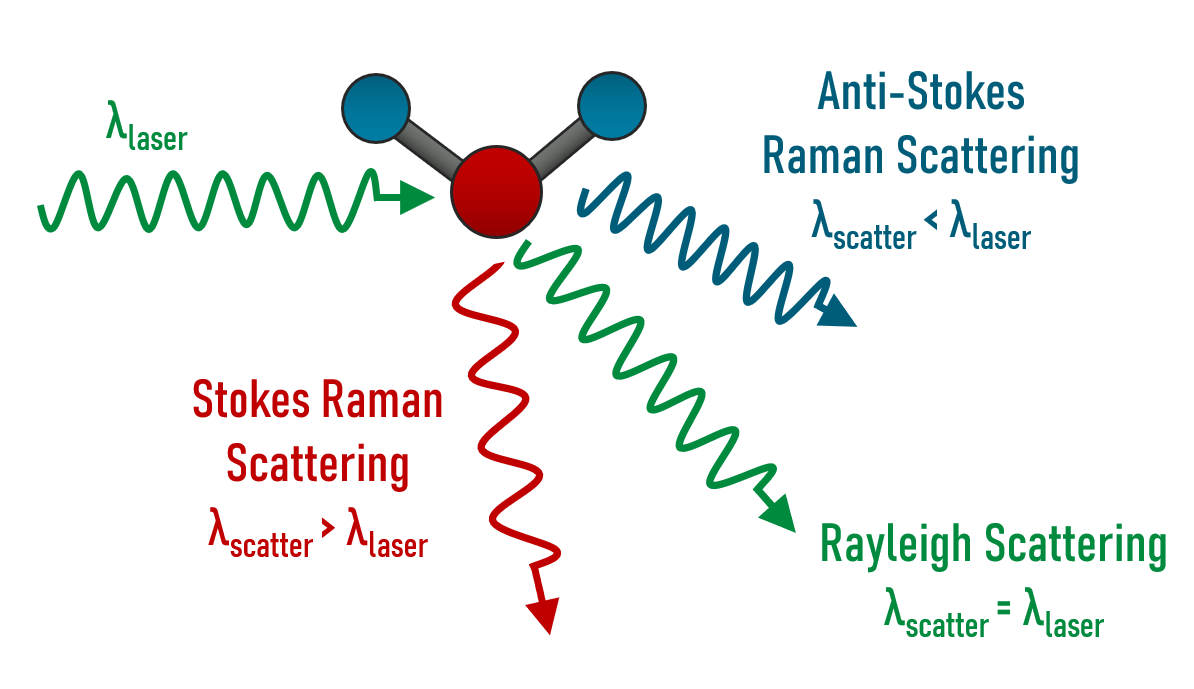
Basic Principles of Raman Scattering and Spectroscopy
Raman spectroscopy is a technique used to identify the chemical composition of samples based on how light scatters off of them. Learn more & view related optics
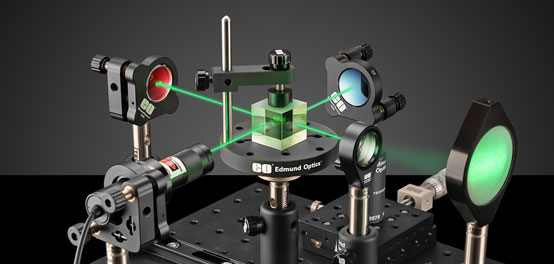
Michelson Interferometer Lab Setup: Assembly and Alignment Guide
Learn how to assemble and align a Michelson Interferometer using standard lab components from Edmund Optics. This step-by-step guide covers required parts, setup instructions, and alignment tips for producing interference fringes to measure distance, wavelength, or refractive index changes in an accessible lab environment.
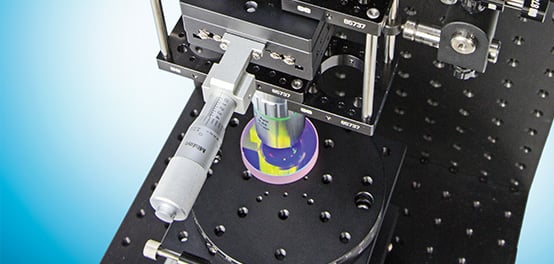
Assembling Compact Machine Vision Microscopy Systems with 120i Plan APO Infinity Corrected Objectives
Reduce the size and weight of your high magnification machine vision system with infinity corrected TECHSPEC® 120i Plan APO Infinity Corrected Objectives.
Please select your shipping country to view the most accurate inventory information, and to determine the correct Edmund Optics sales office for your order.





or view regional numbers
QUOTE TOOL
enter stock numbers to begin
Copyright 2023, Edmund Optics India Private Limited, #267, Greystone Building, Second Floor, 6th Cross Rd, Binnamangala, Stage 1, Indiranagar, Bengaluru, Karnataka, India 560038
California Consumer Privacy Acts (CCPA): Do Not Sell or Share My Personal Information
California Transparency in Supply Chains Act
The FUTURE Depends On Optics®