eo_logo
 
Product added to cart

Edmund Optics®

Knowledge Center

 Verified library of trusted technical resources created by our 240+ global engineers.

Filter
Search Results for: Microscopy Illumination Sources (126)

Multiphoton Microscopy

Multiphoton microscopy is ideal for capturing high-resolution 3D images with reduced photobleaching and phototoxicity compared to confocal microscopy.

View Now Add to saved content

Confocal Microscopy

Confocal microscopy provides high resolution, elimination of out-of-focus glare due to spatial filtering, and reduction of light-induced damage to the sample.

View Now Add to saved content

Light Sheet Microscopy

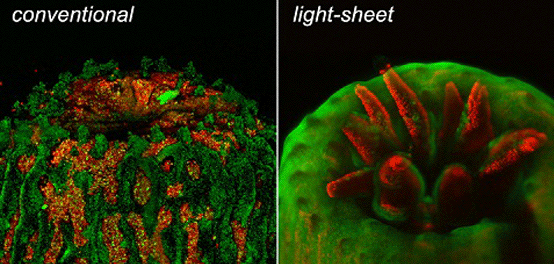
Light sheet fluorescence microscopy uses a 2D laser sheet to illuminate a thin slice of the sample and excite fluorescence, reducing phototoxicity and damage.

View Now Add to saved content

In-line Illumination

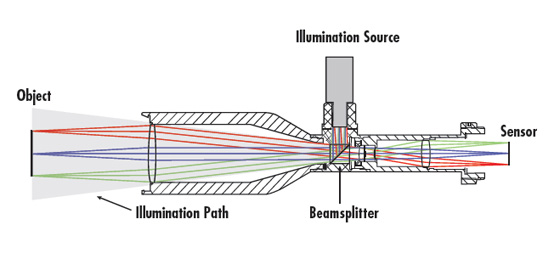
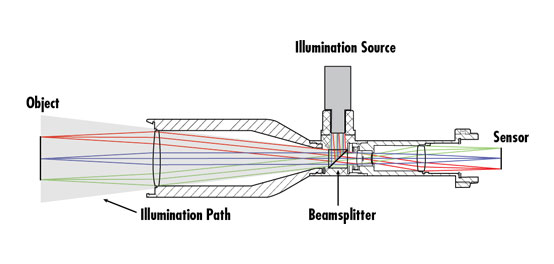
Are you designing a system and debating whether or not to use in-line illumination? Read more about the proper time to use in-line and comparisons at Edmund Optics.

View Now Add to saved content

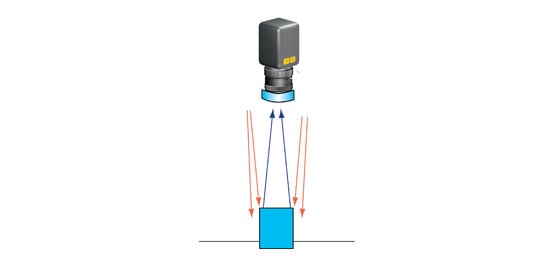
Telecentric Illumination

Think you don't need telecentric illumination in machine vision applications? Find out why you need telecentric illumination at Edmund Optics.

View Now Add to saved content

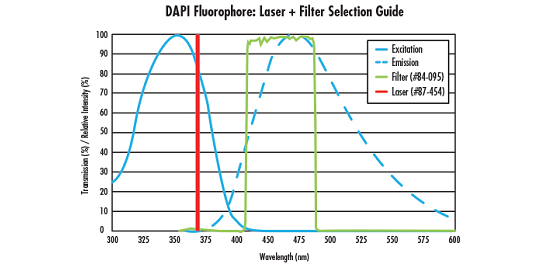
Fluorophores and Optical Filters for Fluorescence Microscopy

Want to know more about fluorophores and optical filters for fluorescence microscopy? Find out more information and in stock optical filters at Edmund Optics.

View Now Add to saved content

Optical Microscopy Application: Darkfield Illumination

Darkfield illumination is the opposite of brightfield illumination. Find out how darkfield differs from brightfield in optical microscopy at Edmund Optics.

View Now Add to saved content

Optical Microscopy Application: Brightfield Illumination

Looking to use a simple technique for optical microscopy? Check out this article on brightfield illumination to find out more at Edmund Optics.

View Now Add to saved content

Silhouetting Illumination in Machine Vision

Choosing the right backlight illumination is critical for precise measurement and edge detection in machine vision applications. Learn about your best options!

View Now Add to saved content

Common Illumination Types

Not sure which type of illumination you should use for your system? Learn more about the pros and cons of different illumination types at Edmund Optics.

View Now Add to saved content

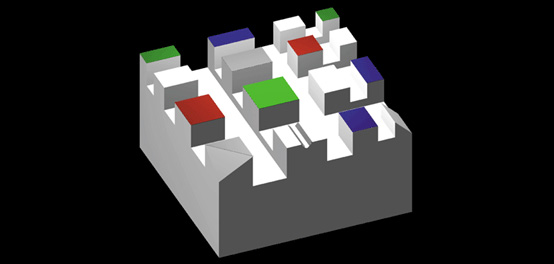
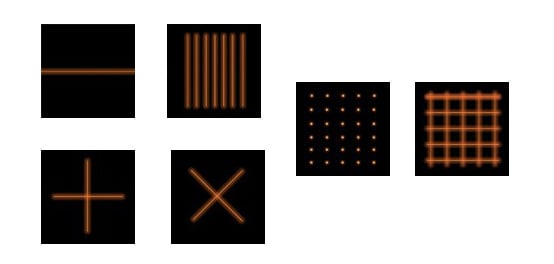
Using Structured Illumination

Machine vision systems heavily rely on illumination. Learn more about how structured illumination can maximize your system at Edmund Optics.

View Now Add to saved content

Fluorescence Microscopy: In-Line Illumination with Imaging Filters

Want to know about fluorescence microscopy? Read this article by a Biomedical Product Line Engineer at Edmund Optics to learn more.

View Now Add to saved content

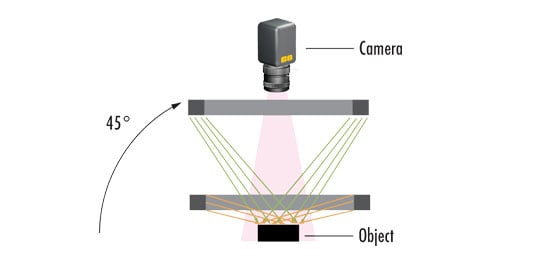
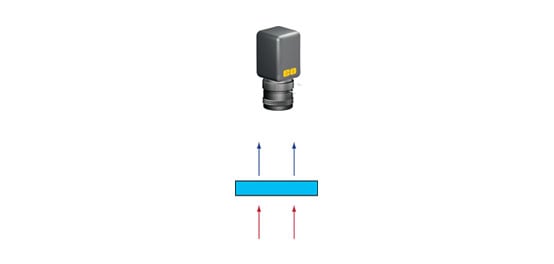
Backlight Illumination for Machine Vision

Learn about the use cases for a backlight, its advantages in industrial inspection and metrology, and the key considerations for integration into vision systems.

View Now Add to saved content

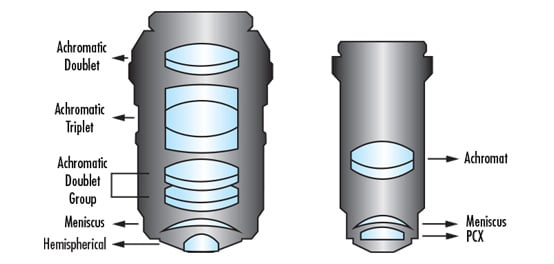
Assembling Compact Machine Vision Microscopy Systems with 120i Plan APO Infinity Corrected Objectives

Reduce the size and weight of your high magnification machine vision system with infinity corrected TECHSPEC® 120i Plan APO Infinity Corrected Objectives.

View Now Add to saved content

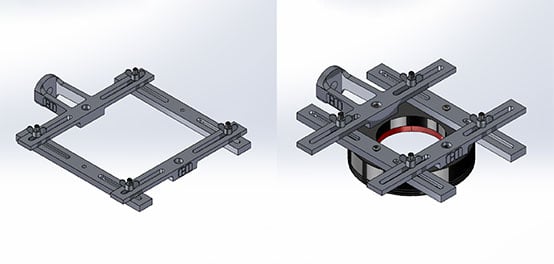
Illumination Mounts for Machine Vision Applications

Explore a wide selection of machine vision lighting at Edmund Optics from top brands and download free 3D printed mounts for various lighting geometries.

View Now Add to saved content

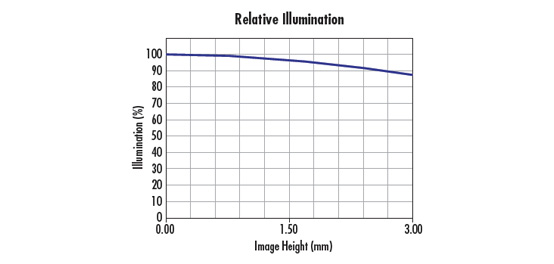
Relative Illumination, Roll-Off, and Vignetting

In order to understand vignetting, it is important to understand sensor sizes, formats, and roll-off and relative illumination. Find out more at Edmund Optics.

View Now Add to saved content

Brightfield Illumination with Spot and Bar Lights for Machine Vision

Learn about how to show different objects (diffuse and specular) with partial brightfield illumination using a white spot light or bar light.

View Now Add to saved content

Brightfield Illumination with Dome Lights for Machine Vision

Learn about integrating brightfield dome lights into vision systems

View Now Add to saved content

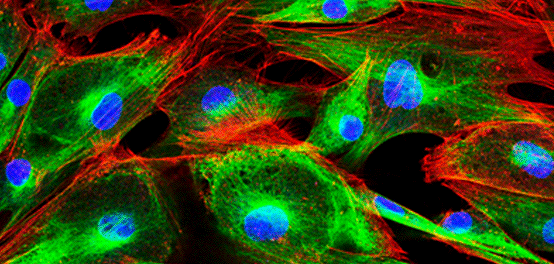
Optical Microscopy Application: Fluorescence

Wondering how fluorescence microscopy works? Find out about the technique, systems, and more at Edmund Optics.

View Now Add to saved content

Understanding Error Sources in Precision Positioning

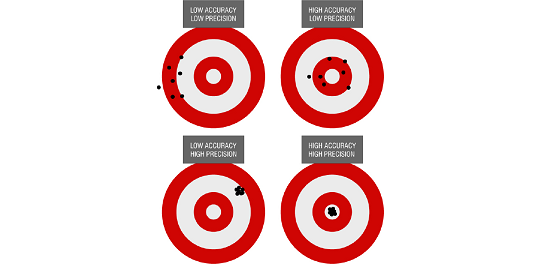
Understanding the source of inaccurate and imprecise errors can help formulate strategies to prevent or correct them. Learn more at Edmund Optics.

View Now Add to saved content

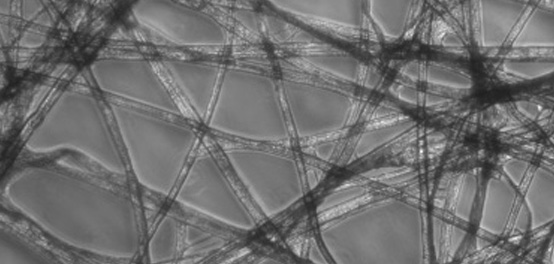
Optical Microscopy Application: Phase Contrast

Think you know all the advantages for using phase contrast in optical microscopy? Advantages, image appearance, and technical details can be found at Edmund Optics.

View Now Add to saved content

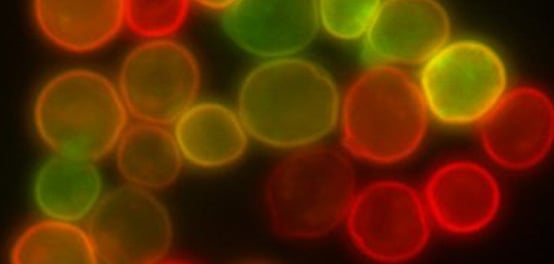
Fluorescence Imaging with Laser Illumination

Fluorescence imaging systems are composed of three major components, an illumination source, a photo-activated fluorophore sample, and detector.
View Now Add to saved content

Optical Microscopy Application: Differential Interference Contrast

Differential interference contrast (DIC) is one of the polarization techniques that can be used in optical microscopy. Learn about this technique at Edmund Optics.
View Now Add to saved content

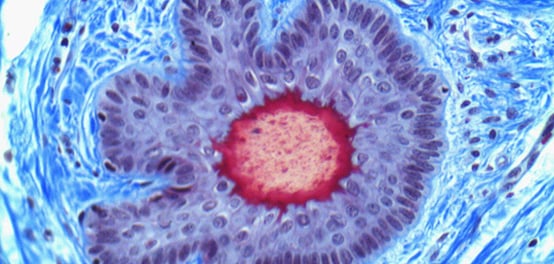
Microscopy and the Analysis of a Trichrome Stain

Imaging biological materials can be extremely difficult. Masson's trichrome stain helps differentiate components of cells from their surrounding tissues.

View Now Add to saved content

In-line Telecentric Illumination for Machine Vision

View Now Add to saved content

Brightfield Illumination with Ring Lights for Machine Vision

Learn more about integrating brightfield ring lights into vision systems

View Now Add to saved content

Darkfield Illumination with Ring Lights for Machine Vision

Learn more about integrating darkfield ring lights into vision systems

View Now Add to saved content

Understanding Microscopes and Objectives

Learn about the different components used to build a microscope, key concepts, and specifications at Edmund Optics.

View Now Add to saved content

Metrology for Laser Optics

Metrology is critical for ensuring that optical components consistently meet their desired specifications, especially in laser applications.

View Now Add to saved content

The Importance of Optical Filter Orientation, Angle of Incidence, and Cone Half Angle

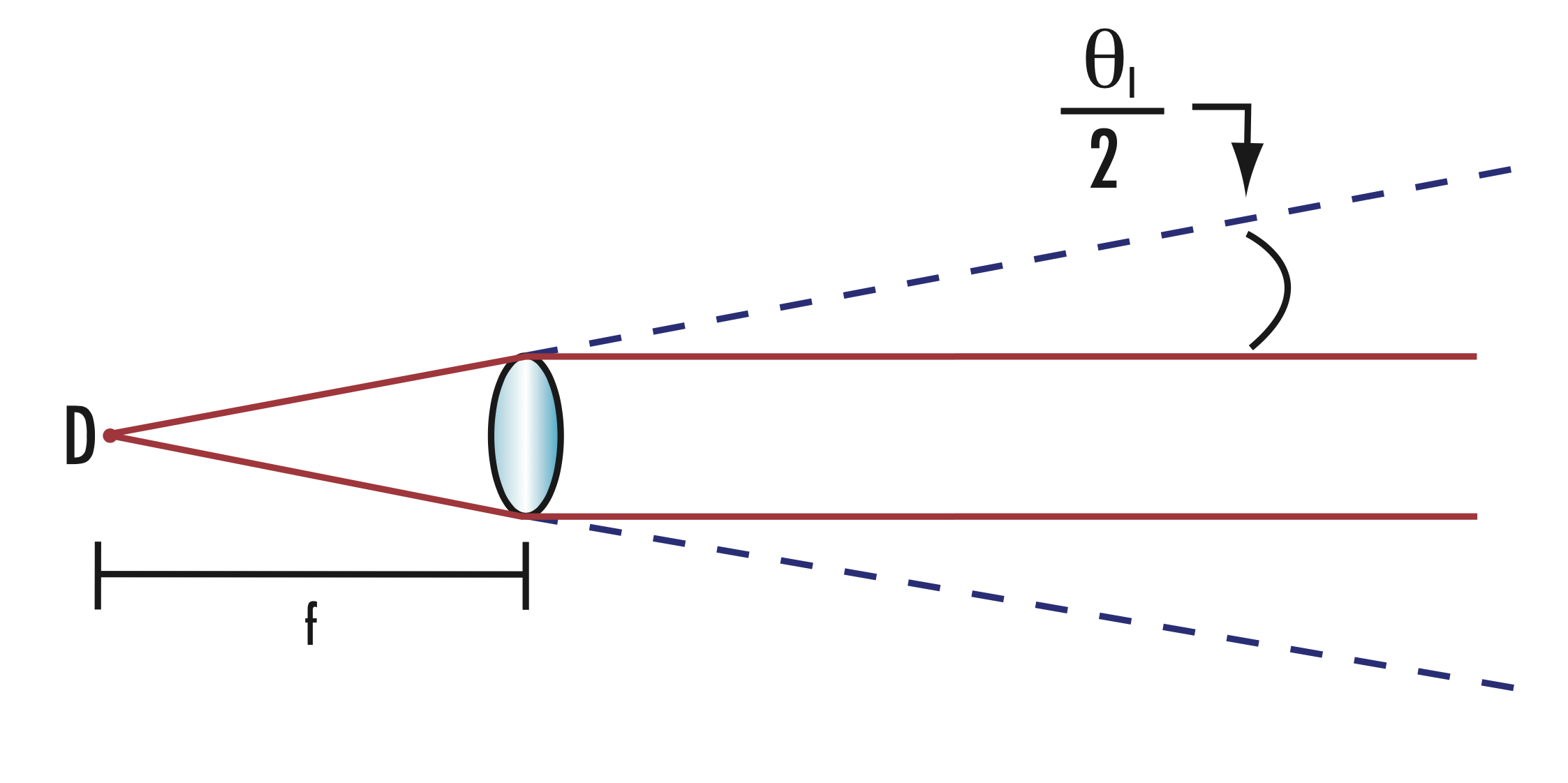
Don't let your optical filter performance be negatively impacted by the AOI and CHA of your light source.

View Now Add to saved content
 
Sales & Expert Advice
 
or view regional numbers
Easy-to-Use
QUOTE TOOL
enter stock numbers to begin